If you are deciding between an oceanfront condo and a bayfront condo in Miami Beach, the view is only the beginning. Your daily routine, your access to the water, the noise you hear, and even how you move around the city can feel very different depending on which side of the island you choose. This guide will help you compare both options clearly so you can focus on the lifestyle and property features that fit you best. Let’s dive in.
Miami Beach Starts With Geography
Miami Beach is a barrier island set between the Atlantic Ocean and Biscayne Bay, with more than seven miles of beaches. That simple east-west split shapes how each side feels to live in and how many buyers use their condo.
On the east side, oceanfront buildings face the Atlantic and connect you more directly to the beach experience. On the west side, bayfront buildings face Biscayne Bay and are more closely tied to boating, marina access, and cross-bay movement.
The city also treats its beaches, dunes, mangroves, and waterways as major natural assets. That matters because your purchase is not just about a unit or a tower. It is also about how you want to live on the waterfront in Miami Beach.
Oceanfront Condos: What You Gain
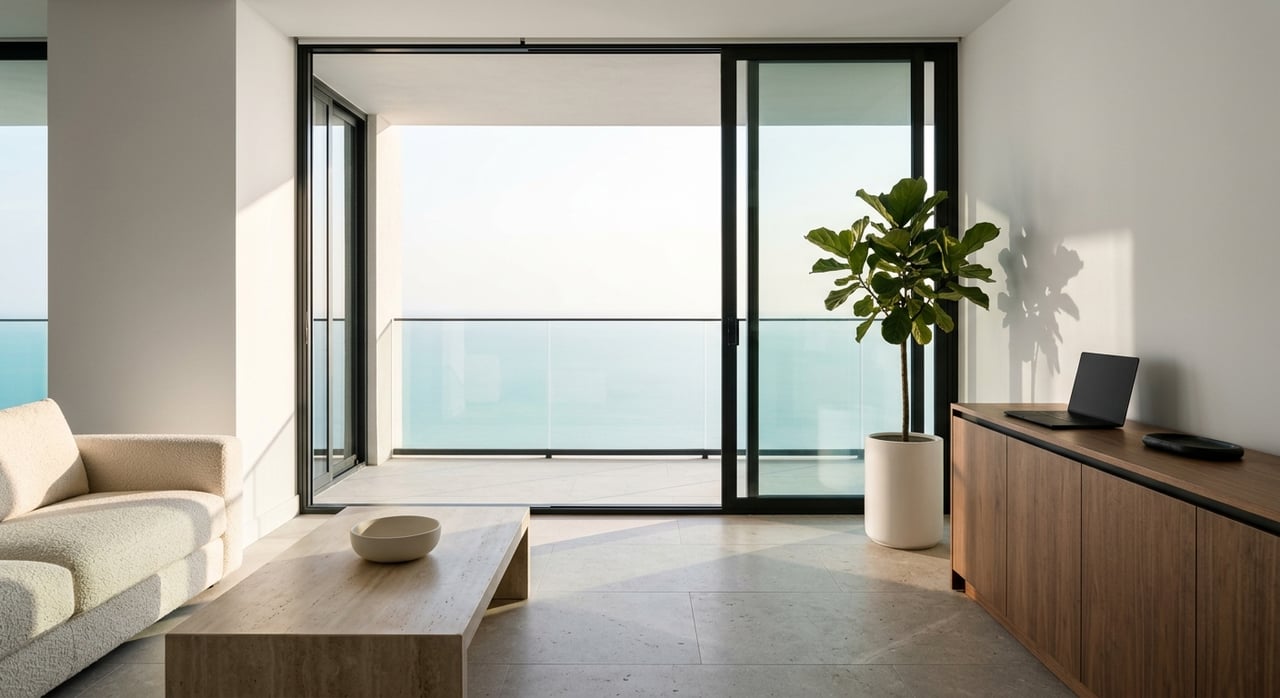
Oceanfront condos usually appeal to buyers who want direct beach access and the classic Miami Beach setting. If your ideal morning starts with sunrise views, a walk by the sand, or easy access to the shoreline, the east side naturally stands out.
A major lifestyle feature here is the Beachwalk, a nine-mile oceanfront promenade completed in 2022. It is open 24 hours a day and designed for jogging, biking, and strolling, which adds a real day-to-day benefit for residents who value an active routine.
Lummus Park also adds to the public beachfront experience. It sits between the Atlantic Ocean and Ocean Drive and includes beach access, paved paths, and fitness uses, while also serving as a location for concerts and marathons.
Best Fit for Oceanfront Buyers
Oceanfront can be a strong fit if you want:
- Direct access to the beach
- Sunrise-facing views
- A more vacation-oriented daily routine
- Immediate proximity to the Beachwalk and other public beachfront amenities
For many second-home buyers, this side captures the Miami Beach image they have in mind. It feels connected to the sand, the ocean, and the public spaces that define the area’s coastal identity.
Oceanfront Tradeoffs to Consider
The same features that make oceanfront living attractive can also create more activity around your building. Beach rules in Miami Beach allow some Ocean Drive beach entrances to be controlled during busy periods, and amplified music without a city permit is restricted.
The city’s special-event rules also note that the noise ordinance applies 24 hours a day on both public and private property. In practical terms, oceanfront living can mean more exposure to pedestrian traffic, beach visitors, and event-related activity than some buyers expect.
Beach conditions are another part of the picture. The city notes that strong currents, riptides, marine life, and swim buoys are part of the ocean environment, so beachfront living comes with a more active public shoreline setting rather than a purely private water experience.
Bayfront Condos: What You Gain
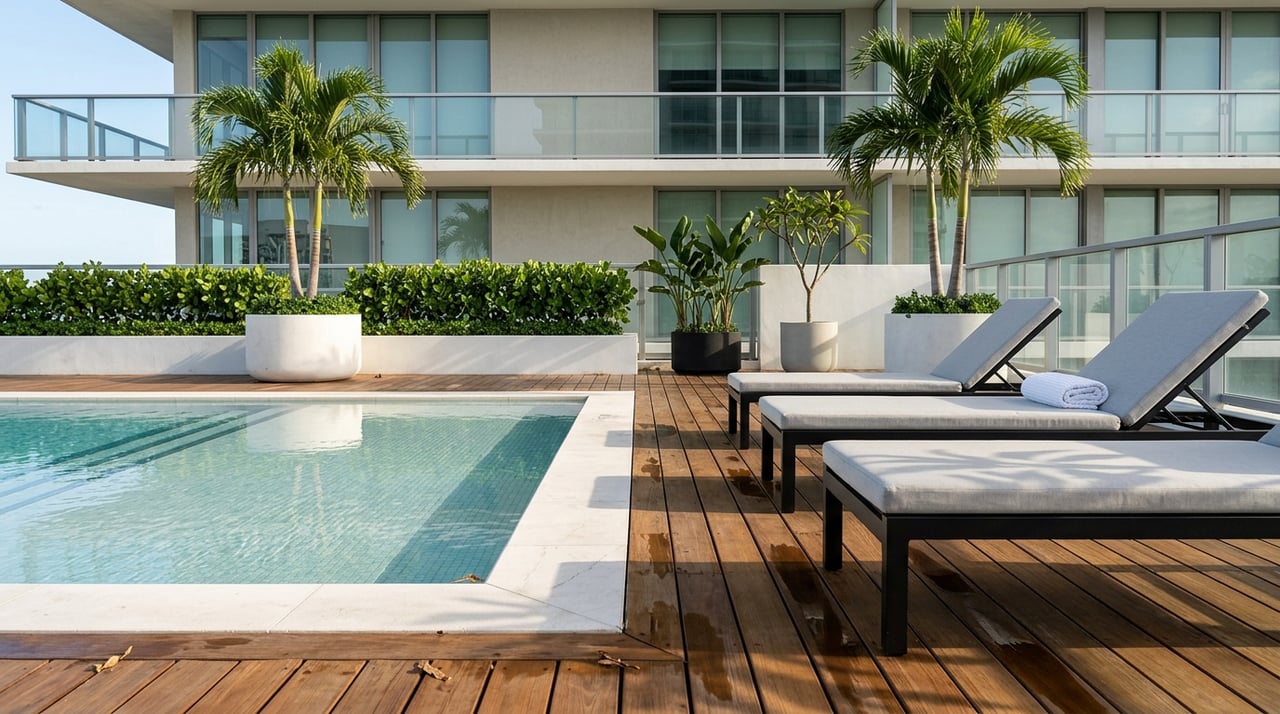
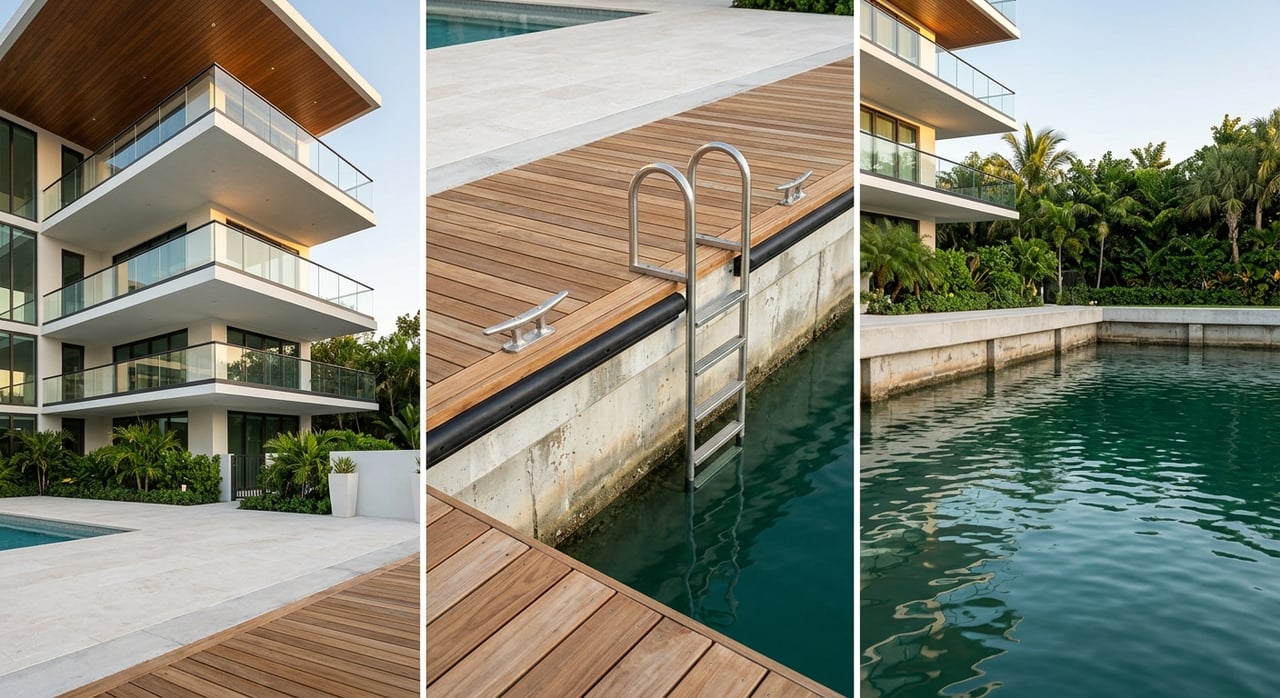
Bayfront condos offer a different kind of waterfront lifestyle. Instead of leading with sand and surf, they center on Biscayne Bay, skyline views, sunsets, boating, and access across the water.
Biscayne Bay is a 428-square-mile waterbody that surrounds and separates Miami Beach from the mainland. The city highlights it as a year-round recreational and boating resource, which makes bayfront living especially appealing if you care more about water access and marina use than beach time.
The city is also expanding the Baywalk on the west side to promote nonmotorized transportation along the bayfront. That adds long-term appeal for buyers who want a more connected waterfront experience outside the beach corridor.
Best Fit for Bayfront Buyers
Bayfront can be a strong fit if your priorities include:
- Boating or marina access
- Sunset and skyline views
- Easier cross-bay movement
- A water lifestyle centered on Biscayne Bay instead of the beach
For some buyers, this side feels more aligned with yachting, commuting, and a calmer visual rhythm. If your version of waterfront living includes watching boats, using marina facilities, or moving easily toward Downtown Miami, bayfront may feel more natural.
Bayfront Tradeoffs to Consider
Bayfront living is not automatically quieter. Miami Beach has amended its code to regulate amplified sound from vessels, and the city has also restricted commercial charter-boat hours after resident complaints tied to late-night activity and noise around marine facilities.
That means west-side buyers should think beyond the view. Vessel traffic, charter activity, and proximity to active marina areas can shape the feel of a building just as much as public beach activity can affect some oceanfront addresses.
If you expect to operate a motorboat on the bay, there is also a practical rule to know. In Florida, anyone born on or after January 1, 1988 must complete approved boating safety education before operating a motorboat with 10 horsepower or more.
Oceanfront vs. Bayfront Daily Lifestyle
The easiest way to compare these two options is to think about your real routine, not just your first impression during a showing. Both sides are waterfront, but they support different rhythms.
| Lifestyle Factor | Oceanfront Condo | Bayfront Condo |
|---|---|---|
| Primary view style | Atlantic Ocean and sunrise | Biscayne Bay, skyline, and sunset |
| Water access focus | Beach access and shoreline use | Boating, marinas, and bay use |
| Public activity | More foot traffic and beach programming | More vessel and marina activity |
| Mobility feel | Beachwalk-oriented routine | Cross-bay and marina-oriented routine |
| Typical appeal | Vacation feel and beachfront living | Boating lifestyle and bay mobility |
This is why side-of-island decisions are rarely just about price. The better question is how you want your condo to function in daily life.
Price Does Not Follow One Simple Rule
Many buyers assume oceanfront always commands a higher price than bayfront, but current data do not support a simple rule. In broad Miami Beach and barrier-island data for Q4 2025, Miller Samuel reported a median sales price of $745,000, an average price per square foot of $1,185, and a luxury condo top-10-percent median sales price of $5,137,500.
The same report found that cash sales accounted for seven out of ten transactions. That suggests the high end remains active and influenced heavily by investor and wealth-driven demand, which is important in both oceanfront and bayfront segments.
Neighborhood snapshots also show why broad assumptions can miss the mark. As of April 2026, Ocean Front showed a median listing price of $750,000 with 506 homes for sale and 117 median days on market, while Bayshore showed a median listing price of $1.325 million, 112 homes for sale, and a median price per square foot of $905.
Those figures are directional rather than pure luxury condo comps, but they still support one key point. Building age, view corridor, amenity package, and inventory mix can matter just as much as whether a condo sits on the east or west side of the island.
Miami Beach Still Shows Strong Demand
Miami Beach remains a major lifestyle and second-home market overall. MIAMI REALTORS reported in March 2026 that Miami Beach was the second-largest vacation-home market in the United States, with 13,817 vacation homes making up 22 percent of housing stock.
That same report noted that the city’s median condominium and townhome sales price rose to $500,000 in 2025. For buyers comparing oceanfront and bayfront options, that reinforces the idea that both sides benefit from durable demand tied to lifestyle, second-home use, and long-term interest in Miami Beach waterfront property.
Long-Term Value Means Looking Beyond the View
In Miami Beach, long-term desirability is also tied to resilience. In July 2025, the city adopted a Sea Level Rise Adaptation Plan designed to protect more than 67,000 flood-vulnerable assets over the next 75 years.
The city is also raising roads in low-lying areas and continuing waterfront improvements such as the Baywalk. For you as a buyer, this means the smartest decision is not only about whether you prefer sunrise or sunset. It is also about building-level resilience, neighborhood infrastructure, and the city’s ongoing investment in the waterfront.
Questions to Ask Before You Choose
When you compare specific condos, focus on the exact property rather than only the label of oceanfront or bayfront. A strong purchase decision often comes down to the building itself.
Ask questions like:
- How direct is the water view from the unit?
- What kind of public activity happens near the building?
- How important is beach access versus marina access?
- How does the building fit your routine as a full-time owner, second-home buyer, or investor?
- What resilience and infrastructure factors should you review for this location?
Which Side Is Right for You?
If you picture yourself stepping onto the sand, using the Beachwalk regularly, and enjoying a more classic Miami Beach atmosphere, oceanfront is usually the better match. It delivers the immediate beach lifestyle many buyers want, especially for second-home use and high-visibility coastal living.
If you care more about boating, sunset views, marina access, and easier movement across Biscayne Bay, bayfront may be the better fit. It offers a different kind of waterfront value that can feel more practical for owners whose lifestyle centers on the bay.
In the end, the side of the island is only one variable. The right choice usually comes down to the exact tower, the quality of the view, the building’s amenities, the waterfront access, and how well the property supports your goals.
If you want a tailored view of Miami Beach’s luxury condo options, from trophy resales to curated waterfront opportunities, Denis Smykalov can help you compare buildings, views, and lifestyle fit with a boutique, concierge-level approach.
FAQs
What is the main difference between oceanfront and bayfront condos in Miami Beach?
- Oceanfront condos focus on direct beach access, Atlantic views, and a beachfront routine, while bayfront condos are more closely tied to Biscayne Bay, boating, marina access, and sunset or skyline views.
Are oceanfront condos always more expensive than bayfront condos in Miami Beach?
- No. Current market data do not support a simple rule, because pricing can vary based on building age, inventory mix, amenities, and the exact view corridor.
What lifestyle fits an oceanfront Miami Beach condo best?
- Oceanfront living is often the best fit if you want immediate beach access, sunrise views, and close proximity to the Beachwalk and other public beachfront amenities.
What lifestyle fits a bayfront Miami Beach condo best?
- Bayfront living is often the best fit if you prioritize boating, marina access, sunset views, and easier movement across Biscayne Bay.
What noise factors should you consider with Miami Beach waterfront condos?
- Oceanfront buyers should consider beach activity, pedestrian traffic, and event-related noise, while bayfront buyers should consider vessel traffic, charter activity, and marina-related operations.
Why does resilience matter when buying a Miami Beach condo?
- Resilience matters because long-term value is influenced by building readiness, neighborhood infrastructure, and city investment such as road raising and waterfront adaptation planning.