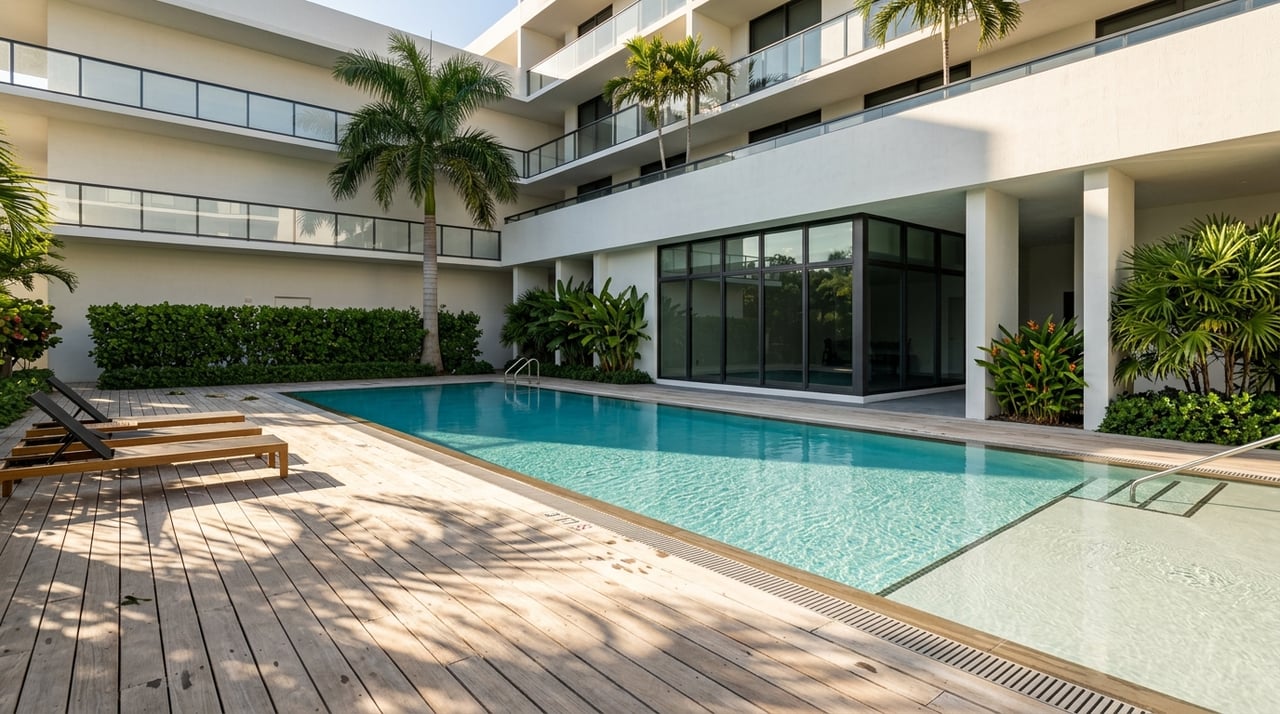
If you want Miami luxury without the oceanfront tradeoffs, Midtown deserves a close look. It gives you a polished, central lifestyle with modern condos, walkable retail, and quick access to some of the city’s strongest arts and design destinations. For buyers who want a stylish home base near culture, dining, and everyday convenience, Midtown offers a compelling alternative to both Brickell and Miami Beach. Let’s dive in.
Why Midtown Stands Out
Midtown is a planned mixed-use urban district just north of Downtown Miami. City planning materials describe it as a new neighborhood hub, and that planning shows up in the way the area functions day to day. Instead of feeling pieced together, Midtown was conceived with residences, parks, shopping, hospitality, and entertainment in one connected setting.
That matters if you want ease built into your lifestyle. You are not choosing Midtown for direct beach access. You are choosing it for centrality, walkability, and a more design-forward urban experience between Downtown and Brickell on one side and Wynwood and the Design District on the other.
Walkable Luxury in Daily Life
One of Midtown’s biggest strengths is how naturally it supports a live-work-play routine. Official neighborhood descriptions highlight high-rise residences, parks, a major shopping area, and entertainment uses. The Shops at Midtown was designed as an outdoor retail district, with a mix of national and local stores, restaurants, and upscale apartments.
For you as a buyer, that can translate into less friction in everyday life. Coffee, dining, errands, and casual outings are part of the neighborhood experience rather than a separate drive across town. That is a major advantage if you want a lock-and-leave residence, a part-time Miami base, or a full-time condo lifestyle with convenience built in.
Midtown also has a social energy that feels refined but accessible. It is active, current, and polished without leaning too heavily into a finance-district identity or a resort setting. That balance is a big reason the neighborhood appeals to design-conscious buyers and younger luxury consumers.
The Arts Are Next Door
The phrase “near the arts” fits Midtown especially well because of its location in Miami’s northern cultural corridor. VisitMiamiBeach places Midtown alongside the Design District and near major cultural destinations such as the Adrienne Arsht Center for the Performing Arts. Midtown also hosts Art Miami during Art Basel week, which reinforces its connection to the city’s seasonal art calendar.
The Design District is the strongest cultural driver next door. Its official materials describe it as a creative neighborhood with more than 200 brands, pedestrian-friendly pathways, seasonal public art, ICA Miami, and a notable dining scene that includes Michelin-starred restaurants. If you value proximity to visual culture, fashion, architecture, and public art, Midtown places you close to that ecosystem without requiring you to live directly inside it.
This is where Midtown becomes especially attractive as a luxury condo market. You get a residential base with strong day-to-day convenience, while some of Miami’s most visible cultural and design experiences are just nearby. For many buyers, that combination feels more livable than a purely office-centered district or a more tourist-driven coastal area.
Getting Around Midtown and Beyond
Walkability is one part of the Midtown appeal, but access beyond the neighborhood also helps. Miami-Dade’s Miami Trolley Biscayne route serves both Design District and Midtown Miami, then continues to Downtown Miami and Brickell. Stops include Adrienne Arsht Center, Museum Park, Bayside, Brickell Park, and Brickell Metrorail and Metromover connections.
That gives you added flexibility when you want to move between business, dining, arts, and entertainment districts without relying on your car for every stop. In a city where convenience can shape your quality of life, that type of connection adds practical value. It supports Midtown’s role as a central launch point for the broader Miami experience.
Midtown Market Snapshot
Current market data gives useful context if you are weighing Midtown against other Miami neighborhoods. As of spring 2026, Midtown Miami shows a median listing price of $750,000, around 771 homes for sale, a median rent of $3,738 per month, a median of 101 days on market, and a 95% sale-to-list ratio. Realtor.com classifies Midtown as a buyer’s market.
That snapshot suggests opportunity for buyers who want selection and negotiating room in a modern condo district. It also shows that Midtown is not a bargain-basement play. This is still a luxury-leaning urban market, but one where current conditions may offer more flexibility than many buyers expect.
For investors or second-home buyers, the rental figure is also worth noting. Midtown’s mixed-use setting, modern housing stock, and central location help support its appeal for people seeking a convenient urban base. If you are looking at Midtown through both lifestyle and long-term positioning, the numbers support taking it seriously.
Midtown vs Brickell
Midtown and Brickell sit in a similar headline price range, but they offer different experiences. Brickell’s median listing price is $734,500, with about 1,190 homes for sale, a median rent of $3,775 per month, 92 days on market, and a 95% sale-to-list ratio. Brickell is also classified as a buyer’s market.
The bigger difference is not price. It is identity. VisitMiamiBeach describes Brickell as South Florida’s major financial district, with a dense skyline of luxury condominium and apartment towers and a strong business-first rhythm.
If you want to be in the center of a vertical, fast-paced urban district tied closely to finance and office activity, Brickell may feel like the right fit. If you prefer a more creative, retail-driven, and arts-adjacent setting, Midtown often feels more relaxed and more lifestyle-led. Both can deliver luxury condo living, but the day-to-day atmosphere is meaningfully different.
Midtown vs Miami Beach
Miami Beach offers a different kind of luxury altogether. The broad city snapshot shows a median listing price of $675,000, but that number includes very different submarkets. South Beach is around $500,000, Mid Beach around $847,000, Miami Beach City Center around $850,000, and South Pointe around $1.112 million.
The contrast with Midtown is less about price and more about setting. Miami Beach is defined by beach access, resort energy, and historic architecture. The City of Miami Beach notes that it has the world’s largest collection of Art Deco structures, along with Mediterranean Revival and MiMo styles, and more than 2,600 historic-district buildings, with 70% classified as contributing or historic.
That gives Miami Beach a distinctive sense of place that Midtown does not try to replicate. Midtown is more contemporary, more mixed-use, and more focused on modern urban convenience. If your priority is a central home base near retail, dining, and arts destinations, Midtown can feel more efficient. If your priority is coastal atmosphere and historic character, Miami Beach may be the stronger pull.
What Midtown Housing Feels Like
Midtown is best understood as a modern mixed-use condo district. Planning materials describe it as a mixed-use activity center and a new neighborhood hub, which aligns with the area’s current building profile. You will generally find newer high-rise living and a more contemporary architectural environment than in many older parts of Miami Beach.
That makes Midtown appealing if you want a clean, modern residence with a polished urban setting. Buyers who prefer newer condo product, integrated retail, and a more current design language often respond well to Midtown. It is especially relevant if you are looking for a pied-a-terre, an investment-minded condo, or a sleek full-time residence with easy access to the city’s cultural core.
Who Midtown Fits Best
Midtown tends to suit buyers who want a central, low-friction city base. It is a strong match if you value contemporary design, walkability, and close proximity to shopping, dining, and arts destinations. It can also appeal to buyers who want a part-time Miami residence that feels stylish and easy to use.
Compared with Brickell, Midtown often feels less office-dominant. Compared with Miami Beach, it feels less coastal and less tourist-facing. That creates a middle ground that many luxury buyers find attractive, especially if they want Miami energy without committing to a finance-first tower district or a beachfront identity.
For international buyers, second-home buyers, and younger capital holders, Midtown can make particular sense as a flexible luxury base. Its combination of modern condo living, neighborhood convenience, and cultural access gives it broad appeal in today’s market.
Why Midtown Matters in 2026
In the current market, Midtown stands out because it offers both lifestyle quality and strategic location. It is not trying to compete with oceanfront living on beach access, and it is not trying to outdo Brickell on corporate density. Its strength is different. Midtown gives you modern luxury, walkability, and access to culture in one of Miami’s most connected urban zones.
That is a powerful mix if you want a residence that works for everyday use, short stays, or long-term ownership. In a market where buyers have choices, Midtown’s blend of convenience, design, and arts adjacency continues to make it one of the most compelling urban options in Miami.
If you are exploring Midtown as a primary home, a second residence, a high-end rental target, or a strategic condo purchase, it helps to work with a team that understands how this submarket fits into the wider luxury picture across Miami. For tailored guidance on Midtown condos, off-market opportunities, and luxury buying strategies across Miami’s top neighborhoods, connect with Denis Smykalov.
FAQs
What makes Midtown Miami different from Brickell?
- Midtown offers a more arts-adjacent, retail-driven, mixed-use lifestyle, while Brickell is more closely tied to Miami’s financial district and dense high-rise office environment.
Is Midtown Miami a walkable neighborhood for luxury condo buyers?
- Yes. Midtown was planned as a mixed-use district with residences, parks, shopping, dining, and entertainment, which supports a highly convenient daily lifestyle.
How close is Midtown Miami to the Design District arts scene?
- Midtown sits next to the Design District, which features more than 200 brands, public art, ICA Miami, pedestrian-friendly pathways, and notable dining destinations.
What is the current Midtown Miami real estate market like?
- As of spring 2026, Midtown has a median listing price of $750,000, about 771 homes for sale, a median rent of $3,738 per month, 101 days on market, and a 95% sale-to-list ratio, and it is classified as a buyer’s market.
Is Midtown Miami a good fit for a pied-a-terre?
- Midtown can be a strong option for a pied-a-terre because it offers central access, modern condo living, walkable conveniences, and proximity to dining, shopping, and cultural destinations.